Undraped Artist Podcast Discussion: Nicolas Poussin
Each month, I have a recorded conversation with the artist Jeff Hein about a historic artist of my choosing. This month, despite being hugely intimidated by the subject, I chose Nicolas Poussin (1594–1665). My first experience with Poussin was at London’s National Gallery while several of the first series of the artist’s Sacraments were on view. My professor, Chantal Brotherton-Ratcliffe, told us, “Some of you will not enjoy Poussin. But, for those who do, he will be a lifelong passion.” I took the comment as a kind of challenge and came back several times to see the works over that year. Since then, I have continued to devour any Poussin-related material I could find.
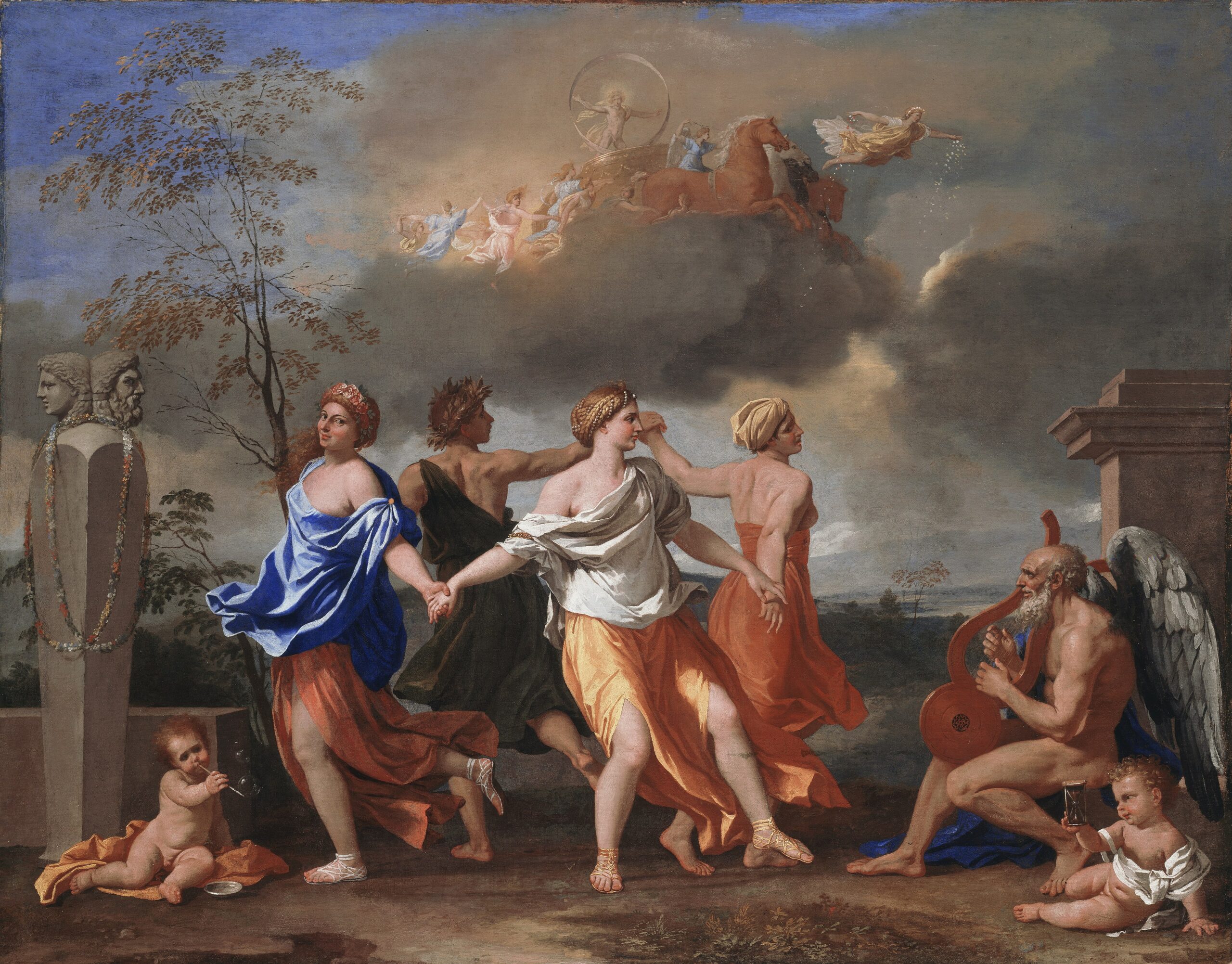
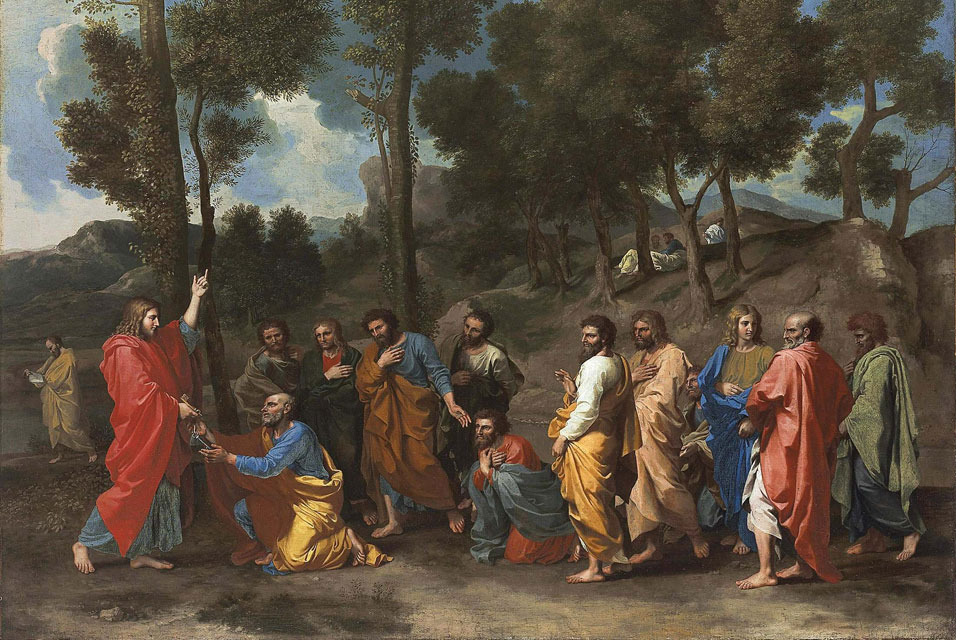
Poussin is sometimes called the “Bach of painting” for his complex compositions, which often include harmonious, repetitive elements that strengthen narrative. For example, in Ordination from the First Series, Christ hands the keys of the priesthood to his senior apostle, Peter. It is a familiar scene now, and it would have been in Poussin’s time. But Poussin echoes the stature and relative strength of each apostle down the line with the trees in the background. Peter is a sapling growing in the shade of Christ’s firm, strong trunk, and near the end, Judas’s tree is blighted.
In preparation for my discussion, there are two books that have shaped my thinking on Poussin. The first is The Sight of Death by T. J. Clark. The book was written as an accidental experiment over the course of a year. Dr. Clark was then a visiting fellow at the Getty Center while two paintings by Poussin were on view. Each day for a year, he would sit, reflect, and write his reactions. It is something I think we should all be doing in this age of mass distraction. Poussin is perhaps especially suited to sustained and deep contemplation.
The second book is the recently published Your Very Humble and Very Affectionate Servant: The Letters of Nicolas Poussin, 1630–1665, edited and translated by Klaus Ottmann. Each letter is exhaustively annotated, opening up Poussin’s seventeenth-century life to our modern world.
So, with those few notes, here is my conversation with Jeff Hein: